
Our New Speech and Language Service: HCPC Registered Therapists
By Holly Allwood - Clinical Lead, Learning DNA
I am really pleased to share something we have been wanting to offer for a long time. We have launched a new speech and language service at Learning DNA, and it starts where it should start, with a proper initial assessment from an HCPC registered speech and language therapist.
If you have ever worried about the way your child talks, understands, or gets their words out, this is for you. And if you are a school trying to find joined up support for pupils with speech and language needs, this is for you too.
Let me explain how it works and who it helps.
Why we start with an assessment
When a parent tells me they are worried about their child's talking, the worry usually sounds something like this. People outside the family cannot understand them. They get frustrated and give up halfway through a sentence. They are much quieter than other children their age, or they talk plenty but do not always seem to follow what is being said to them.
The trouble is that speech and language difficulties are not all the same thing, and they do not all need the same help. Some children struggle to make certain sounds. Some understand far more than they can say. Some can say the words but find the social side of conversation hard, knowing when to take a turn, how to start a chat, how to read what someone means.
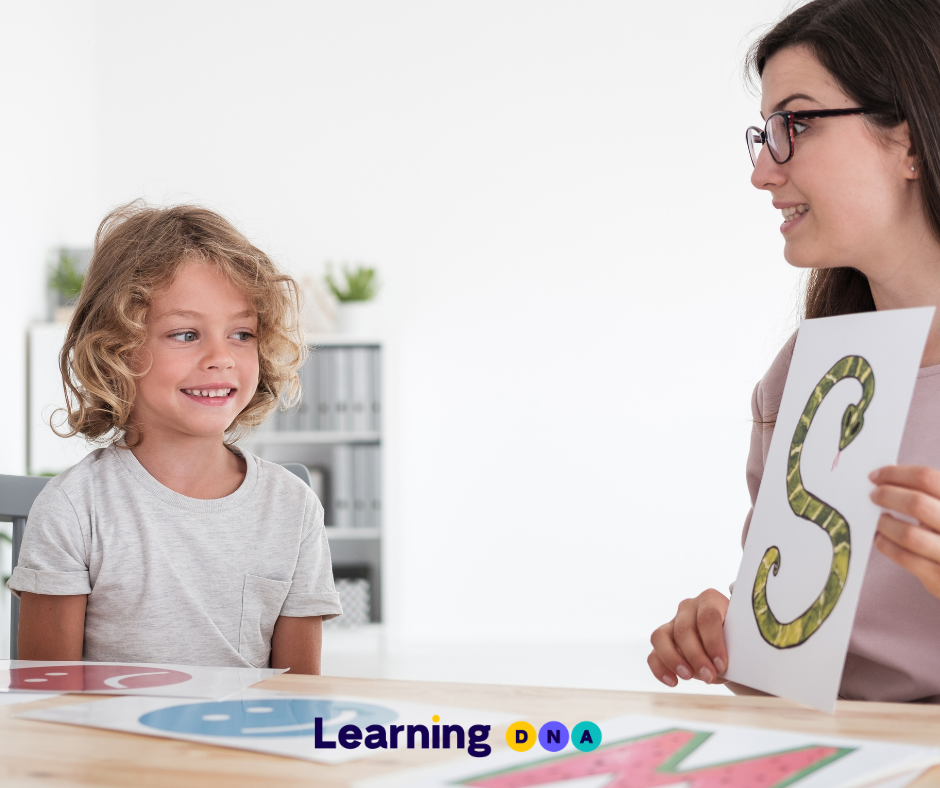
That is why we begin with an initial assessment. Our speech and language therapist spends proper time getting to know your child, looking at how they understand language, how they use it, how they form sounds and how they manage conversation. You come away with a clear picture of what is going on and what would actually help, rather than a guess.
What HCPC registered means, and why it matters
You will see me mention that our therapist is HCPC registered, and I do not want that to sound like jargon.
HCPC stands for the Health and Care Professions Council. It is the body that regulates speech and language therapists in the UK. When a therapist is HCPC registered, it means they are properly qualified, that they meet national standards of training and conduct, and that there is real accountability behind the title. Speech and language therapist is a protected title, so not everyone offering speech support is registered in this way.
When you are trusting someone with your child, I think you deserve to know exactly who you are working with. Registered means safe, qualified and answerable to a national standard. That is the only kind of professional we work with.
How our speech and language support helps
Once we understand your child's profile, the real work begins. Depending on what the assessment shows, our speech and language therapy support can help children who:
Find it hard to make certain sounds, so their speech is unclear and people struggle to understand them.
Understand less than you would expect for their age, which can show up as not following instructions or seeming to switch off.
Have plenty to say but find it hard to put words and sentences together.
Struggle with the social side of communication, including conversations, friendships and reading other people, which is very common for autistic children.
Are losing confidence because talking has become hard or stressful.
The support is practical and built around your child. It is never a one size fits all programme. We set clear goals, we show you what to do at home so the progress carries on between sessions, and we work alongside school where that helps. Because we are a multidisciplinary clinic, your speech and language therapist can also talk to our other clinicians when a child has needs that overlap, which they often do.
Speech, language and the bigger picture
Speech and language needs rarely sit on their own. They often turn up alongside autism, ADHD and other differences, and they can affect everything from learning to friendships to a child's confidence in themselves. A child who cannot make themselves understood will often show their frustration through behaviour, and it is easy to miss the communication difficulty underneath.
This is exactly why we built Learning DNA the way we did, with assessment, therapies and support under one roof. If your child needs speech and language therapy, an autism or ADHD assessment, occupational therapy or educational psychology input, you are not stitching it together across a dozen waiting lists. It works from one shared plan.
You do not have to wait it out
A lot of families come to us already stuck on an NHS speech and language waiting list, or waiting on a CAMHS referral, watching their child fall further behind while nothing happens. I find that genuinely hard, because early speech and language support makes such a difference, and time matters.
You do not have to sit and wait. Our initial assessment gives you somewhere to start now. If you would like to explore an NHS funded route for assessment alongside this, ask us about the Right to Choose pathway and we will be honest with you about what is available at the moment.
How to get started
Starting is simple. Book a free twenty minute call and tell us what is worrying you. If it sounds like speech and language therapy would help, we will arrange an initial assessment with our HCPC registered therapist and take it from there, at a pace that suits your child.
Your child deserves to be understood, and to understand the world around them. That is what this service is here to help with.
Book a free 20 minute call: https://www.learningdna.org.uk/book-a-consultation
This article is for information and is not a diagnosis. If you are worried about your child's speech, language or communication, please speak to a qualified professional or your GP.